
Not all IgA is Berger's disease: The challenge of monoclonal IgA.
DOI:
https://doi.org/10.56867/Keywords:
Monoclonal IgA, A case reportAbstract
Introduction: Monoclonal gammopathies of renal significance (MGRS) cause organ damage due to the nephrotoxicity of aberrant immunoglobulins, without meeting the diagnostic criteria for multiple myeloma. Within this spectrum, proliferative glomerulonephritis with monoclonal immunoglobulin deposits stands out as a condition causing severe structural injury through intrinsic toxicity.
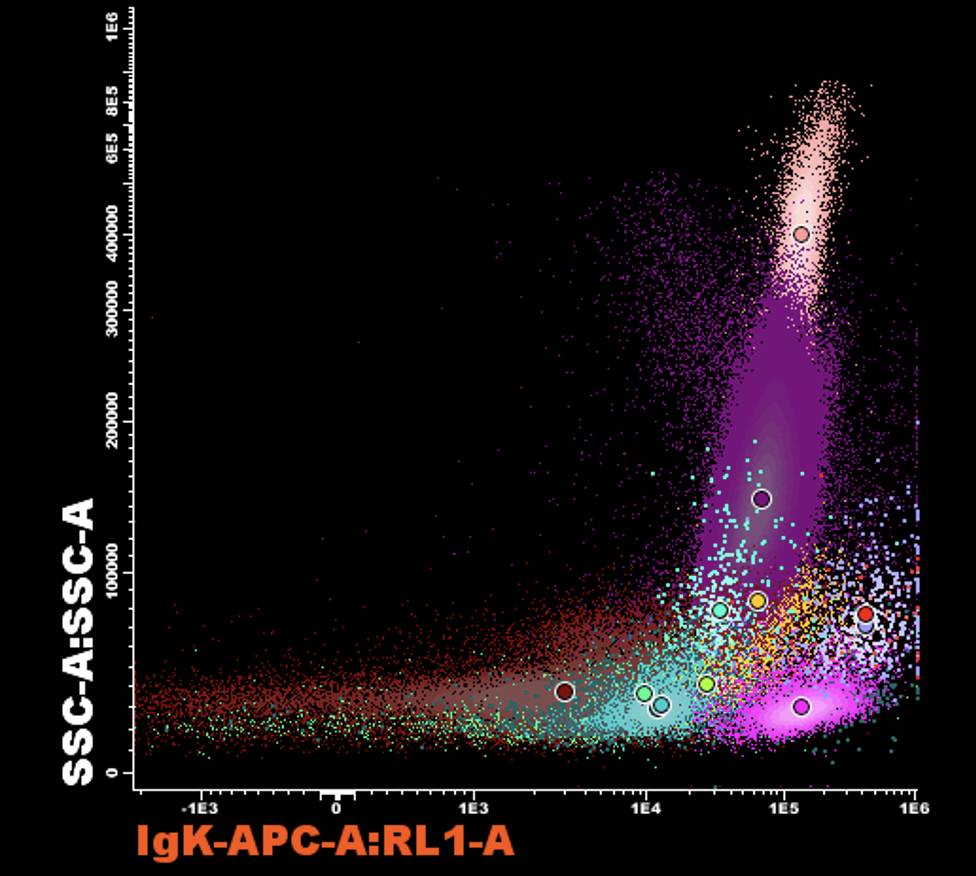
Case Report: A retrospective, descriptive study based on the medical record review of a 42-year-old female patient treated at HCAM. Clinical variables, the progression of nitrogenous waste products and proteinuria, and histopathological findings from renal and bone marrow biopsies were analyzed, alongside immunophenotyping studies performed via flow cytometry.
Results: A woman with a history of hematuria and proteinuria since 2020. In 2025, following infectious exacerbations, she developed nephritic syndrome, new-onset hypertension, and rapid renal deterioration (creatinine rose from 1.4 to 2.95 mg/dL; proteinuria 2.3 g/24h). Renal biopsy revealed mesangial proliferation in >50% of glomeruli, with immunofluorescence positive for IgA deposits (+++) and kappa light chain restriction (++). Although bone marrow biopsy ruled out classic neoplastic infiltration, flow cytometry isolated an aberrant clone (6.1%) with a CD38+/CD138+/Kappa+ immunophenotype. Diagnosed with MGRS (IgA mesangial proliferative glomerulopathy), she received 8 cycles of CyBorDex. A repeat renal biopsy showed traces of IgA with negative kappa staining and signs of chronicity. After confirming hematologic remission in the bone marrow, she is currently maintained on bortezomib (creatinine improved to 1.3 mg/dL) and is a candidate for autologous bone marrow transplantation.
Conclusions: This rare entity causes progressive renal disease due to the physicochemical properties of the clonal immunoglobulin. Although it is not a classic systemic neoplasm, it requires a high index of suspicion from nephrologists and early onco-hematological treatment. A multidisciplinary approach is vital to eradicate the clone and definitively halt irreversible glomerular damage.
Downloads
Published
Issue
Section
License
Copyright (c) 2026 E. Argüello, H.Darquea, J. Salazar, M. Pillajo, T. Silva, P. Changotasig, L. Manjarres. (Author)

This work is licensed under a Creative Commons Attribution-NonCommercial-ShareAlike 4.0 International License.
 10.56867